A home inspection is the part of buying a house that turns guesswork into evidence.
When people start searching for a home, the questions usually arrive in a familiar cluster: What exactly does an inspection cover? How much trouble can it save me from? How do I choose the right inspector? And what happens if the report turns up more than I wanted to know?
Benjamin Franklin’s old warning about prevention still fits the housing market. A few hundred dollars and a careful walkthrough can prevent a very expensive surprise later. That is why the Consumer Financial Protection Bureau’s homeownership guidance and the broader Fannie Mae education resources both treat homebuying as a process that rewards preparation rather than speed. The inspection sits in the middle of that process, where the math becomes personal.
What you will learn here: what a home inspection actually covers, which problems show up most often, how to choose a competent inspector, how to negotiate repairs without making a mess of the deal, and how to read an inspection report without overreacting to every line item.
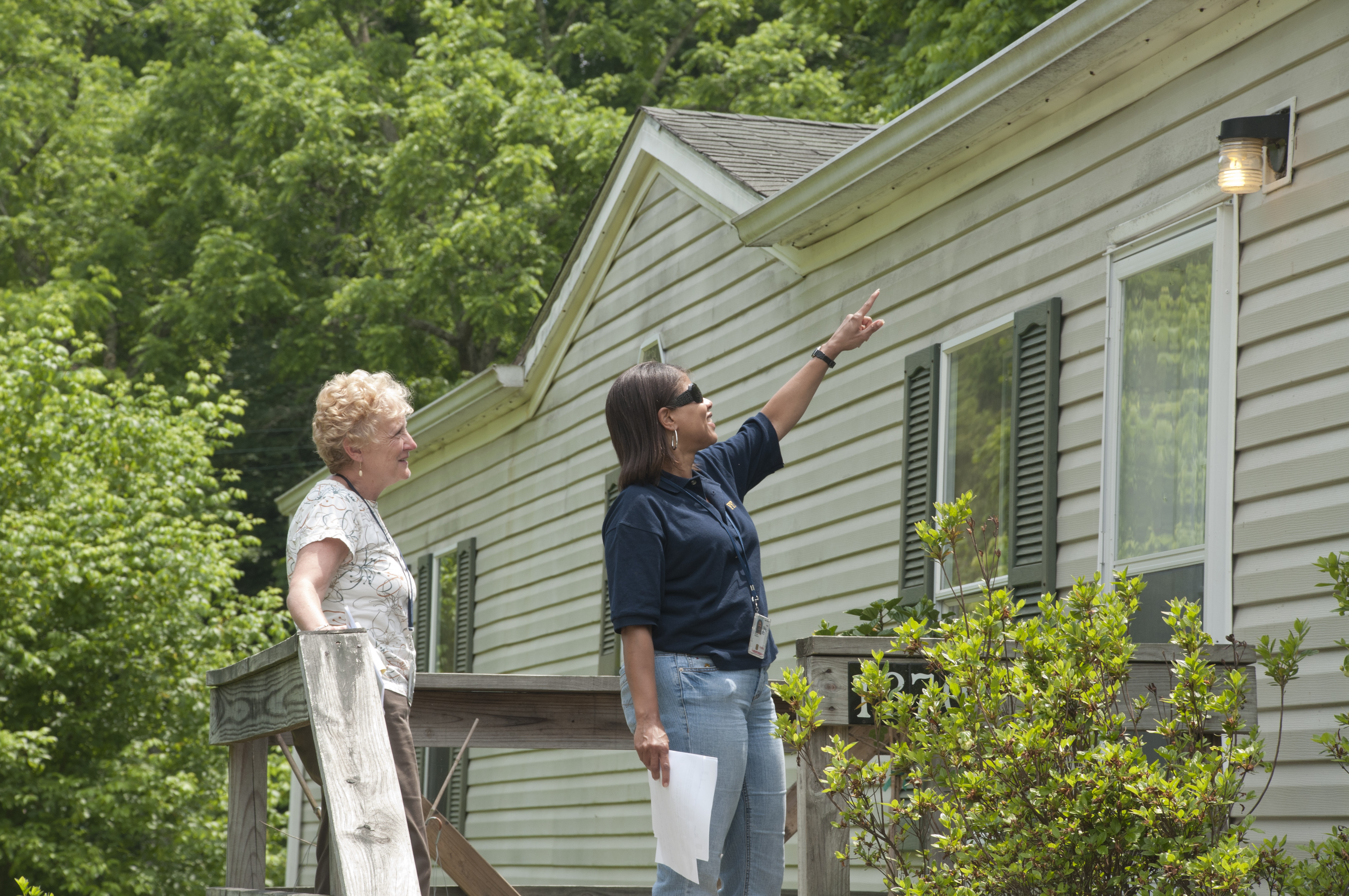
1. What a Home Inspection Entails
A home inspection is a visual assessment of a property’s condition before a buyer finishes the purchase. It is not a promise that every problem will be found. It is a structured way to identify visible defects, signs of damage, safety concerns, and items that may need repair soon after closing.
In practical terms, the inspector is looking at the house the way a cautious buyer wishes they could look at it: roof, foundation, exterior walls, attic, electrical system, plumbing, heating and cooling, windows, doors, and visible signs of water intrusion or structural stress. That does not mean the inspector opens walls or performs invasive testing. It means the buyer gets a professional read on the property as it actually appears on inspection day.
Most inspections take a few hours, depending on the size and complexity of the home. Pricing varies by market, but buyers often pay a few hundred dollars for the service. That is not a tiny amount, yet it is usually small compared with a roof replacement, a sewer repair, or an electrical upgrade that appears after closing.
If you are new to the process, it helps to treat the inspection as part of your due diligence. The USA.gov homebuying overview and the CFPB’s homeownership materials both point to the same larger idea: keep the buying process organized so the surprises happen before you own the surprise.
Key terms in plain English
| Term | Simple meaning | Why it matters |
|---|---|---|
| Home inspection | A professional visual check of the property’s condition | Shows visible problems before the sale closes |
| Due diligence | The buyer’s homework before taking on the mortgage | Helps you decide whether the house still fits your risk tolerance |
| Contingency | A contract condition that must be satisfied for the deal to continue | Gives buyers a way to renegotiate or exit if the inspection is unacceptable |
| Material defect | A problem significant enough to affect safety, value, or use | These items usually deserve attention first |
| Specialist evaluation | Follow-up review by a roofer, electrician, plumber, or other expert | Useful when the inspector flags something outside general scope |
How buyers can prepare before the inspection
- Walk the property once before the inspector arrives. Notice leaks, odors, uneven floors, and anything that seems off.
- Bring your priorities. If you care most about roof age, water intrusion, or electrical safety, say so early.
- Read the contract contingencies. Know the inspection deadline and what your exit options are if the report is serious.
- Plan to attend if possible. You usually learn more from a 20-minute conversation on-site than from a 20-page report later.
- Write questions in advance. Ask about the age of systems, visible wear, and any signs that may deserve a specialist.
One useful mindset change: do not go into the inspection hoping for a perfect report. Go in hoping for an accurate one. Accuracy gives you options; optimism alone does not.
Example: the “looks fine from the curb” problem
A buyer tours a tidy home with fresh paint and a well-kept lawn. The first impression is strong. The inspection, however, turns up evidence of past roof leakage in the attic and moisture staining around a bathroom vent. The house may still be worth buying, but now the buyer has a fact pattern instead of a feeling. That is the difference the inspection is supposed to make.
For buyers who want a broader overview of the financing side of the process, Fannie Mae’s education pages are a useful companion because they keep the focus on preparation, documentation, and realistic expectations rather than speed alone.
2. Common Issues Found During Inspections
Inspection findings are usually less dramatic than people fear and more expensive than they hoped. That is the normal range. The most common problems are often not catastrophic failures. They are small-to-medium issues that become large if ignored: deferred maintenance, aging systems, poor drainage, water damage, and evidence that previous repairs were rushed.
The categories below show up again and again because houses age in predictable ways. Materials wear out. Moisture finds a path. Poor ventilation creates rot. Electrical systems become outdated. The house is not being malicious; it is simply keeping time.
| Issue | What it may mean | Typical next step |
|---|---|---|
| Structural concerns | Uneven floors, cracking, settlement, or movement that needs explanation | Request further evaluation from a structural engineer or qualified contractor |
| Electrical issues | Outdated panels, open splices, overloaded circuits, or missing safety devices | Ask for an electrician’s review and estimate |
| Plumbing problems | Leaks, corrosion, low water pressure, poor drainage, or evidence of old repairs | Confirm whether the issue is isolated or system-wide |
| Pest activity | Termite damage, carpenter ant evidence, or rodent entry points | Consider a pest specialist before finalizing the purchase |
| Roof and foundation problems | Missing shingles, active leaks, drainage issues, or foundation movement | Get repair scope and cost estimates early |
Structural issues
Structural findings are the ones buyers worry about most because they sound expensive, and sometimes they are. But the report language matters. A crack is not automatically a crisis. Some cracks are cosmetic. Some are signs of settlement. Some are old and stable. The right response is not panic; it is context. Ask whether the inspector saw movement, moisture, or other signs that suggest the issue is active.
Electrical and plumbing concerns
These systems are where a house can hide its age. A property may look modern, yet still have an electrical panel that should be reviewed or plumbing components that are near the end of their useful life. When a report suggests further evaluation, do not treat that as a nuisance note. Treat it as a sign that the general inspector has reached the limit of what a general inspector should decide.
Example: a buyer sees “older electrical service” in the report. That line item may not mean the house is unsafe today. It may mean the wiring should be reviewed by a licensed electrician before closing so the buyer can budget realistically and avoid surprises after move-in.
Pest infestations and moisture-related damage
Inspection reports often note evidence of termites, carpenter ants, rodents, or water damage. Moisture is worth special attention because it can lead to both pest activity and long-term material decay. The EPA’s mold guidance is a useful reference here because it shows why moisture is not merely cosmetic. If a house repeatedly gets wet, it tends to create a larger problem than the original leak.
For a buyer, the practical question is not “Is there any sign of trouble at all?” Almost every older home has something. The useful question is “Is this isolated, repairable, and priced correctly, or does it point to a deeper pattern?”
Roof and foundation problems
These are the areas where a careful buyer should slow down. Roof work can turn into a large bill quickly, and foundation concerns are even more sensitive because they can affect the whole house. A report may mention worn shingles, improper flashing, poor drainage, or signs of prior patching. Each of those deserves attention because water follows the path of least resistance, and houses do not argue with gravity.
Practical rule: if a roof, drainage system, or foundation issue appears more than cosmetic, ask for repair estimates before you decide how much you are willing to negotiate.
What good buyers do with the findings
- Separate urgent safety issues from routine maintenance.
- Group similar findings so you can see the pattern instead of the clutter.
- Ask what is visible, what is uncertain, and what needs specialist review.
- Use the report to estimate likely cost, not to win an argument with the house.
3. How to Choose a Home Inspector
The best inspector is not the one with the smoothest sales pitch. It is the one who is thorough, clear, and willing to explain what they saw without acting like the house owes them a confession. Buyers should look for training, relevant certification or licensing where required, and a reputation for careful reporting.
In many markets, the safest approach is to treat the inspector as an independent professional rather than a referral you accept automatically. Ask who will perform the inspection, whether they carry insurance, and whether they regularly inspect the kind of property you are buying. A condo, an older single-family home, and a newer subdivision house do not all carry the same risk profile.
If you want a broader consumer benchmark for the buying process, Fannie Mae’s education materials are useful because they reinforce the idea that the smart buyer compares options instead of taking the first convenient one. That same logic applies to inspectors.
Questions to ask before you hire
- How long have you been inspecting homes like this one?
- What does your inspection report include?
- How long does a typical inspection take?
- Do you encourage buyers to attend the inspection?
- What kinds of issues do you refer to specialists?
- Are you insured and, where relevant, licensed or certified?
What to look for in reviews and references
Reviews are useful when they describe behavior, not just satisfaction. You want to know whether the inspector communicated clearly, noticed details others missed, and produced a report that was easy to use during negotiations. A short review that says “professional and thorough” is less helpful than one that mentions how the inspector explained follow-up steps and gave the buyer time to ask questions.
A good sign: the inspector is comfortable saying “I do not know” when the issue needs someone else. That is not weakness. That is competence.
Example: choosing between two inspectors
One inspector is slightly cheaper and can fit the job in tomorrow. The other has more experience with older homes, takes longer on site, and sends sample reports that read like actual guidance rather than mystery theater. The second option is often the better buy, even if the sticker price is higher. The inspection is not the place to reward the fastest calendar slot.
If a buyer is also trying to organize repair requests, document follow-up items, and keep the lender or agent looped in, AI integration services can be a neutral reference point for connecting those workflow pieces to the systems they already use.
4. Negotiating Repairs with Sellers
The inspection report does not force a single outcome. It gives you leverage, but leverage still needs judgment. Some issues are worth asking the seller to fix. Some are better handled with a credit. Some should be accepted because the house is priced accordingly. The trick is to negotiate the problem, not every line in the report.
When you present findings to a seller, focus on the items that affect safety, function, or major cost. You will usually get farther by being specific and reasonable than by attaching the entire report and hoping the other side enjoys the experience.
What is often negotiable
- Active leaks or signs of recent water intrusion
- Electrical safety issues
- Plumbing failures or visible system defects
- Roof damage beyond ordinary wear
- Termite or pest-related repair needs
- Broken HVAC components or major system failures
What may not be worth fighting over
- Cosmetic flaws that do not affect use or safety
- Very small maintenance items
- Older finishes that simply reflect the age of the home
- Issues already priced into a discounted listing
How to present the request
Keep the request short, clear, and tied to the report. You do not need a speech. You need a list of items, an estimate if one is available, and a decision about whether you want the seller to repair, credit, or reduce the price. Written agreements matter here. If you negotiate a credit or a repair, make sure the deal shows up in writing and that the deadline is clear.
Use this sequence: identify the issue, estimate the cost, decide whether you want a fix or a credit, and document the agreement before the closing clock moves on.
How to think about the outcome
Not every inspection finding should lead to a seller demand. Some should lead to a calmer decision about whether you are comfortable owning the issue yourself. That is part of the buyer’s real job. The inspection tells you what you are buying. The negotiation tells you whether the price still makes sense.
If you are tracking repair notes, contractor quotes, and deadline changes across email, text, and a spreadsheet, you already know how quickly that process becomes messy. A clean checklist and a written record make the handoff easier for everyone involved.
5. Understanding Inspection Reports
Inspection reports can feel heavy because they compress a lot of information into one document. The key is to read the report in layers. Start with safety and system-wide issues, then move to repairs that affect value or likely near-term expense, and only then look at cosmetic notes and minor maintenance items.
The common report words are not mysterious once you translate them. “Monitor” usually means the item is worth watching but not urgent today. “Recommend further evaluation” means the general inspector has identified something that should be reviewed by a specialist. “Deficiency” simply means something is not performing as expected. It does not always mean disaster; it means attention.
How to prioritize the findings
| Priority | Examples | What to do |
|---|---|---|
| High | Active leaks, unsafe wiring, major roof failure, severe structural movement | Act before closing or renegotiate immediately |
| Medium | Older systems, moderate moisture risk, pest evidence, worn components | Get estimates and decide whether the price still works |
| Low | Cosmetic wear, small maintenance items, normal aging | Plan to handle these after move-in if the home otherwise fits |
When to seek further evaluations
Seek a specialist when the report points to a system the general inspector should not diagnose in detail. That might mean a roofer, electrician, plumber, foundation specialist, pest professional, or mold remediation expert. The general inspection is a map. The specialist is the person who can tell you whether the bridge is actually out.
Example: the mold question. If the report mentions staining, odor, or moisture around a basement or attic area, the EPA’s mold guidance is a useful reminder that moisture problems rarely stay small on their own. The right next move is to ask what caused the moisture and whether it has been fixed, not just to note the stain and hope the house forgets about it.
How to read the report without overreacting
- Do not treat every note as a deal breaker.
- Do treat safety issues and hidden water damage seriously.
- Ask for context when the wording is vague.
- Focus on items that change price, timing, or risk.
Reports are better when they help you make a decision. If a report only creates anxiety, you still have work to do. Ask the inspector to explain the language, and if needed, ask a contractor for a second opinion on the items that matter most.
What a smart buyer does next
The inspection is not the end of the process. It is the point where the process becomes real. Once the report is in hand, the buyer should decide which problems are acceptable, which ones need repair or credits, and which ones are large enough to change the whole purchase decision.
That is the practical value of the inspection: it gives you a chance to act before the property becomes your problem by default. A disciplined buyer uses the report to protect the budget, the timeline, and the peace of mind that usually disappears somewhere between the offer and the closing table.
Keep these five takeaways in mind:
- A home inspection is a visual assessment, not a guarantee.
- The most common problems involve water, wear, safety, and aging systems.
- The right inspector explains what matters and what needs follow-up.
- Repair negotiations work best when they are specific and written down.
- Inspection reports are decision tools, not emotional puzzles.
If you are still sorting through the buying process, the Services page is a reasonable next stop, and the Contact page is there if you want to ask a specific question instead of guessing your way through the paperwork.
That is the cleaner path: inspect carefully, negotiate realistically, and buy with your eyes open. The house will still have a story after closing. The point is to know enough of it before you sign.