If the front of the house is the handshake, curb appeal is how you avoid the limp one.
I like to think of curb appeal as the opening line of a house. Before buyers notice the floor plan, the closet space, or whether the kitchen could survive a family-sized pizza night, they are already making a judgment from the street. That is why the same advice keeps showing up in National Association of Realtors guidance on curb appeal, Freddie Mac’s seller prep tips, and even University of Minnesota Extension lawn guidance: clean up the exterior, keep the yard healthy, and make the entry feel ready for company.
If you want a consumer-facing version of the same advice, Realtor.com’s curb appeal explainer says the same thing in plain English: a cleaner front exterior helps buyers warm up fast.
So the questions buyers quietly ask are pretty simple: Does the lawn look tidy? Does the front door feel welcoming? Are the lights doing their job after sunset? And can I picture myself walking up that path without mentally reaching for a weed trimmer? Those are tiny questions, but they carry a surprising amount of weight.
As Will Rogers put it, “You never get a second chance to make a first impression.” Houses did not get a loophole for that rule.
In this guide, I’ll walk through the practical, budget-friendly moves that make a home look polished fast: landscaping, paint, front door upgrades, lighting, and entryway styling. If you want help beyond the checklist, the services page is a good place to see how Century 21 City can support the next step, and the tips below will help you spend your time and money where buyers actually notice it.
Quick roadmap: landscaping, paint and exterior fixes, front door upgrades, lighting, and entryway styling. No mystery meat. Just the parts of the house that make buyers slow down and look twice.
Curb Appeal Terms Worth Knowing
If you are only going to learn a few phrases, make them these. They sound like real estate jargon, but they are really just useful shortcuts for the parts of the exterior that buyers notice first.
| Term | What it means | Why it matters |
|---|---|---|
| Curb appeal | The overall look of the home from the street | It shapes the first impression before a buyer ever reaches the porch |
| Hardscape | Non-living exterior features like walkways, steps, edging, and driveways | These are the bones of the front yard; if they look rough, everything else works harder |
| Softscape | Living exterior elements like grass, shrubs, flowers, and trees | Healthy plants make the home feel cared for and balanced |
| Entryway | The visible transition between the outside and the front door | This is where the “welcome” part happens, and it should not look confused |
| Staging | Arranging a home so it feels clean, open, and easy to imagine living in | It helps buyers see possibilities instead of distractions |
1. Start with Simple Landscaping
If curb appeal had a starter pack, landscaping would be the first item in the box. A tidy lawn, a few healthy plants, and some fresh mulch can make the whole front of the house look like someone actually loved it this month. That is not glamorous, but it works. Freddie Mac’s seller prep guide points buyers toward the same basics, and the University of Minnesota Extension notes that healthy lawns add visual appeal in addition to the practical benefits of a well-kept yard.
The goal is not to build a botanical masterpiece that requires a gardener on retainer. The goal is to make the yard look intentional. Buyers do not need a parade of rare shrubs. They need the front of the house to look tidy, proportioned, and easy to maintain.
Focus on the visible basics first
- Mow the lawn regularly so the grass looks even, not rebellious.
- Edge sidewalks, driveways, and planting beds for a crisp outline.
- Pull weeds from beds, cracks, and other places where plants should not be auditioning.
- Trim shrubs so they frame the house instead of hiding it like stage curtains.
- Refresh mulch around trees and beds to give the yard a cleaner finish.
If your yard is small, that is actually helpful. A few clean lines and a handful of healthy plants can go a long way. If your yard is larger, repeat the same rule across the whole property so it feels coherent. A front walkway that is tidy and a side bed that looks forgotten can create the visual equivalent of a half-pressed shirt.
Add color where the eye naturally lands
A little color near the entry can do a lot of work. Think of it as the house wearing one good accessory instead of all the accessories at once. A pair of flowering pots by the door, a small bed with seasonal blooms, or a row of low-maintenance plants along the path can make the exterior feel alive without turning it into a theme park.
If you want a practical example, try this: plant one bright annual in the front beds, one evergreen for structure, and one simple container near the porch. That mix gives you color, consistency, and shape. Buyers may not describe the formula out loud, but they will feel that the yard looks finished.
Choose maintenance that matches the sale timeline
If you are listing soon, do not overcomplicate the landscaping plan. Fast, visible wins matter more than long-term projects. A fresh layer of mulch, a neatly cut lawn, and a couple of healthy plants will usually beat a half-finished garden bed every time. If the home is going on the market in spring or summer, focus on what looks lush now rather than what might look ambitious later.
That is also why a simple front-yard checklist helps: it keeps the project from becoming one of those “we’ll do it all this weekend” situations that turns into three weekends, two hardware store runs, and a philosophical debate about edging.
A small curb-appeal table for busy sellers
| Task | Effort | What buyers notice |
|---|---|---|
| Mow and edge the lawn | Low | The home looks maintained, not forgotten |
| Add fresh mulch | Low to medium | The yard looks polished and intentional |
| Plant flowers near the entry | Low | The front of the home feels welcoming |
| Trim shrubs and remove weeds | Low | The house itself becomes the focal point |
2. Freshen the Paint and Exterior Details
Paint is the easiest way to make a tired exterior look awake again. If the landscaping is the frame, paint is the clean glass. It sharpens everything around it. A fresh coat on the right surfaces can make an older home feel cared for, even if the seller did not just finish a full renovation marathon. The National Association of Realtors’ curb appeal guidance and its research on staging both point to the same basic idea: when the outside looks fresh and the details feel deliberate, buyers are more willing to keep imagining the rest of the home in a positive light.
That does not mean every house needs a bold new color story. In fact, the safest move is usually the calm one. Buyers tend to trust homes that feel easy to live with, not homes that look like they are auditioning for a paint brand commercial.
Use neutral colors where broad appeal matters
Neutral exterior colors usually age well because they let the architecture and landscaping do the talking. Soft gray, warm white, beige, cream, muted taupe, and charcoal can all work depending on the home’s style. If your siding is already in decent shape, even small updates to trim and shutters can make a big difference without repainting the whole structure.
Examples help here: a white trim refresh can make a beige home look sharper, charcoal shutters can ground a light exterior, and a clean front door can stop a façade from feeling sleepy. Small contrasts are often more effective than dramatic reinventions.
Repair what buyers can see from the sidewalk
Exterior damage does not have to be dramatic to matter. Peeling paint, cracked caulk, loose shutters, rusted fixtures, damaged siding, or a faded front porch ceiling all send the same signal: this home may have a few chores waiting inside the walls too. A buyer may not consciously list every flaw, but the pile of little issues adds up fast.
Prioritize the fixes that are easiest to spot from a normal walking path to the door. That means the front façade, the porch, the garage door if it is prominent, and any trim that frames the entrance. If it stands out at a glance, it deserves attention at a glance.
Don’t ignore the “small” exterior details
House numbers, mailbox condition, gutters, downspouts, and porch railings are not glamorous, but they absolutely participate in the first impression. A clean mailbox and clear house numbers may sound minor, yet they help the home feel organized and easy to understand. Buyers like homes that seem to know what they are doing.
Gutters and downspouts matter too. If they look bent, clogged, or stained, the exterior can feel neglected even when the inside is spotless. A quick clean and touch-up may not be the headline of the listing, but it supports everything else the house is trying to say.
Keep the work list realistic
If the home only needs a few touch-ups, keep the project list short and focused. There is a sweet spot between “ignore it” and “replace half the siding because you got inspired by a weekend show.” Buyers usually reward homes that look maintained, not over-polished.
And if you are coordinating paint samples, repair quotes, staging items, and photo dates across a brokerage or listing team, an overview of AI consulting services can be a useful reference for deciding where automation helps with reminders and checklists and where a plain human calendar is still the better tool.
3. Upgrade the Front Door
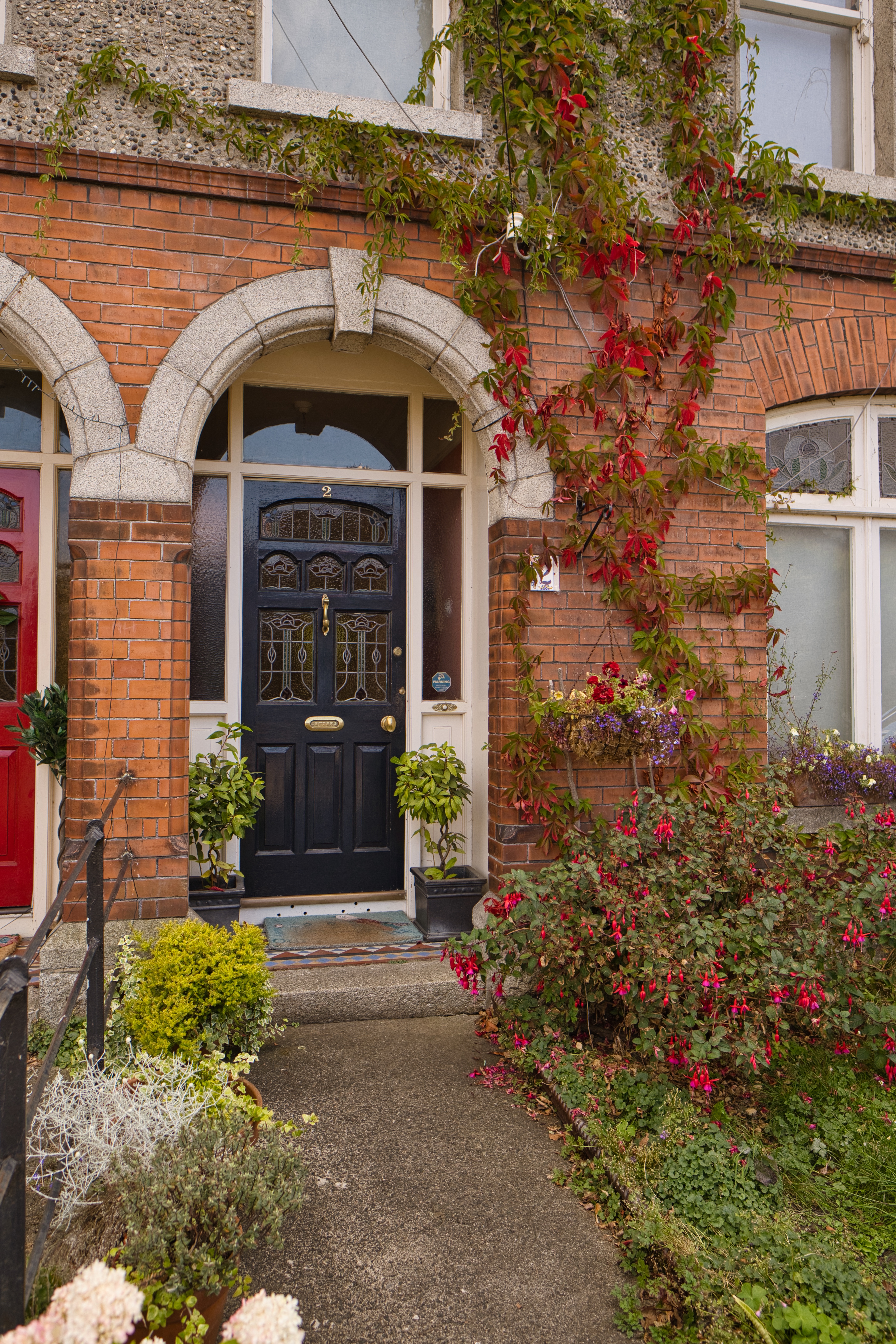
The front door is the exclamation point of the house. It tells buyers whether the home feels bold, calm, cheerful, or vaguely asleep. A strong front door upgrade does not need to be expensive to matter. In many cases, paint, hardware, and a clean mat can change the mood of the entire façade.
This is the part where a seller gets to have some fun. The front door is a small surface with a lot of personality potential, which is basically the real estate version of a tiny stage.
Choose a color with confidence
A bold front door can work beautifully when it fits the home. Deep navy, black, forest green, brick red, or even a warm golden tone can create a focal point. The trick is to choose a color that looks intentional with the siding, trim, and landscaping. A door that feels like it belongs will look far better than a color that screams, “I made this decision in the paint aisle under pressure.”
For a more conservative look, a clean neutral door with updated hardware can still feel refreshed. The point is contrast and clarity. Buyers should notice the entry because it feels polished, not because it looks like a dare.
Replace tired hardware
New hardware is one of those tiny upgrades that quietly makes the whole house look more current. A modern handle set, a new lock, a polished knocker, or a fresh kick plate can make a worn door feel cared for. If the old hardware is tarnished or mismatched, it can pull the eye in all the wrong ways.
The same logic applies to the doorbell and the surrounding trim. Clean edges and matched finishes make the entrance feel coordinated. It is a small thing, but small things are the whole game here.
Add the finishing touches buyers actually see
A decorative doormat, a pair of planters, or a simple wreath can finish the entry without cluttering it. The key is restraint. A front door should feel welcoming, not like it is trying to win a holiday decoration contest in every season at once.
Symmetry helps here. Two planters, two lanterns, or balanced greenery on either side of the door makes the entry feel deliberate and calm. Even when the home is modest, symmetry tends to make it look put together.
Make the entryway easy to understand
Buyers need to know where to go the moment they arrive. Clear the path, make the door visible, and remove anything that interrupts the line of sight. If there is a small stoop, make it clean. If there are steps, make them safe and free of clutter. If the entry is dark, add light. Buyers should not have to solve a tiny puzzle before they can ring the bell.
4. Improve Lighting for Safety and Charm
Lighting is the underrated cousin of curb appeal. It does two jobs at once: it makes the home look better and it makes the home feel safer. That combination matters because buyers are not just evaluating beauty. They are also evaluating comfort. A front walk that feels clear and a porch that glows warmly can change the mood of the whole visit.
Lighting also extends your curb appeal into the evening, which is useful because not every buyer arrives at 2 p.m. with ideal weather and perfect posture. Sometimes the house has to win at dusk. Rude, but true.
Use path lights to guide visitors
Path lights are practical and flattering, which is a rare and valuable combination. They help people follow the walkway safely and they create a visual line that draws the eye toward the entry. Low-voltage path lights or solar lights can be enough if the goal is a gentle glow rather than a runway.
Keep the spacing even and avoid overdoing it. A row of lights that makes the yard look like a landing strip is not the vibe. Buyers should feel guided, not guided by airport signage.
Update porch lights and sconces
If the porch light is dated, too dim, or rusting at the edges, it may be worth replacing. Modern sconces or a clean overhead fixture can instantly make the entrance feel fresher. If the home has a more traditional style, choose a fixture that respects it instead of fighting it. Matching the architecture is a quiet flex, and buyers notice that kind of care.
Warm light usually works best because it feels inviting rather than harsh. Harsh lighting can make even a nice doorway feel a little too much like a late-night takeout counter. Warm bulbs create the opposite effect: calm, safe, and easy to approach.
Think about the evening view, not just the daytime one
Most sellers focus on how the house looks in daylight, which makes sense, but evening curb appeal matters too. Stand across the street at dusk and look back at the home. Can you see the door clearly? Does the porch glow evenly? Are the walkway and entry visible without blasting the house in white light?
That little exercise tends to reveal what the daytime perspective misses. Sometimes one light bulb makes the entire exterior look more expensive. Sometimes the garage light is doing all the work and needs backup. Either way, it is a fast fix with a big payoff.
5. Create an Inviting Entryway
The entryway is where the curb appeal promise either lands or starts wobbling. The buyer has made it to the door. Now the job is to make the transition feel easy, clean, and welcoming. This is less about decorating and more about removing friction. If the porch feels cluttered, dark, or too busy, the whole home inherits that mood.
I like to think of the entryway as the house’s smile. It does not need to be flashy. It needs to look like it means it.
Keep the porch clear and useful
Start with the obvious: remove shoes, packages, broken planters, old doormats, kids’ toys, and any other porch items that look like they were left behind by a very committed afternoon. The front door should be the star, not the storage shelf.
Then create enough breathing room that the path from the walkway to the door feels natural. A clean entry makes the home feel larger and more welcoming. It also helps buyers focus on the architecture instead of the clutter.
Add one or two touches that feel lived-in, not busy
A bench, a pair of planters, a seasonal wreath, or a simple chair can soften the entry and give it personality. The trick is to stop before the porch starts looking like a furniture showroom with a flower subscription. One or two thoughtful pieces are usually enough.
Seasonal details work well when they are restrained. A spring wreath, a summer planter, or a fall arrangement can add warmth without turning the entry into a holiday parade float. Buyers want to feel welcomed, not ambushed by themed decor.
Match the entry to the rest of the home
A great entryway should feel like the first chapter of the same story the inside of the house tells. If the interior is calm and modern, the exterior should not feel chaotic. If the interior has classic details, the entry should support that feeling with simple, timeless choices. Consistency builds trust, and trust is always useful in a home sale.
If the home’s entry has a lot of visual noise, simplify it until the door, path, and landscaping work together. Buyers do not need more information. They need better order.
Keep the whole project organized
When sellers are juggling landscaping, paint, lighting, staging, photos, and showing prep, the work can get messy fast. The cure is not more drama. It is a clear checklist. For teams that turn listing prep into a repeatable workflow, a simple reference for automation and task prioritization can be useful without making the project itself any fancier than it needs to be.
Why These Changes Work
The reason curb appeal matters is not magical. It is behavioral. Buyers notice order, freshness, and care before they notice details they can only inspect up close. That first look shapes what they expect from the rest of the tour, which is why even modest exterior changes can have an outsized effect.
That is also why the same themes show up in so many reputable sources. NAR keeps returning to curb appeal and staging because first impressions influence buyer perception. Freddie Mac keeps telling sellers to clean up the exterior and freshen the landscape because those moves make the property feel ready. Extension guidance about healthy lawns and plantings supports the same visual logic from a slightly different angle: the yard is part of the home’s story, not a separate hobby project.
If you want the short version, here it is: buyers are more likely to trust a home that looks cared for. And a home that looks cared for is easier to sell, easier to photograph, and easier to remember after the showing ends.
Simple Before-and-After Examples
Examples make this easier to picture, so here are a few everyday transformations that do not require a major budget.
- Before: patchy lawn, weeds at the walkway, dull porch light. After: mowed grass, clean edging, warm light, and a door that looks like it belongs in the neighborhood.
- Before: peeling trim, faded shutters, cracked caulk. After: fresh trim paint, repaired edges, and a façade that feels much newer.
- Before: bare porch with a tired mat and one lonely pot. After: a clean entry with two planters, a new mat, and a door color that gives the house some confidence.
None of those changes is dramatic on its own. Together, they shift the whole mood from “we meant to get to that” to “yes, this home has been cared for.” That is the tiny but useful magic of curb appeal.
Conclusion
Boosting curb appeal is mostly about removing the little things that make a buyer hesitate. Tidy landscaping makes the property feel alive and maintained. Fresh paint and small exterior repairs sharpen the façade. A strong front door gives the home a confident focal point. Good lighting keeps the entry safe and welcoming. A clean, simple entryway ties the whole look together.
If you want the most practical next move, pick one weekend job and finish it well. Mulch the beds. Replace the porch light. Paint the front door. Clean the entry and add one pair of planters. One solid improvement can change the way the whole house reads from the street.
Key takeaways:
- Simple landscaping creates a polished first impression fast.
- Fresh paint and repairs make the exterior feel cared for.
- The front door should feel intentional, welcoming, and easy to notice.
- Lighting improves both charm and safety.
- A clear entryway helps buyers feel at ease before they even step inside.
If you want help thinking through the next step after curb appeal, the About page gives you a quick sense of who we are, and the services page is the place to look if you want listing support that feels less chaotic and more useful.