If your open house needs to feel calm, bright, and easy to remember, the prep starts long before the first visitor walks in.
When buyers step through the door, they are not grading your home on personality points or how many life moments happened in the kitchen. They are asking a much simpler question: can I see myself living here? That question is why a thoughtful open house can matter so much, and why the basic advice from sources like Realtor.com’s open house tips and Zillow’s open house guidance keeps coming back to the same themes: clear the clutter, make the house feel welcoming, and remove the little distractions that pull attention away from the home itself.
That is the short version. The longer version is that a successful open house is usually less about grand gestures and more about a steady sequence of small decisions. Clean surfaces. Tidy flow. Good light. Fresh air. A simple follow-up plan. None of that is glamorous, but it is how a house starts feeling like a place a buyer can imagine coming back to on a Tuesday afternoon with groceries and too many keys.
In this guide, you will get a plain-language map for preparing your home for an open house, from the first decluttering pass to the final thank-you message after visitors leave. If you want help beyond the checklist, the services page is a good place to look at the support available, and the steps below will help you use that support more effectively.
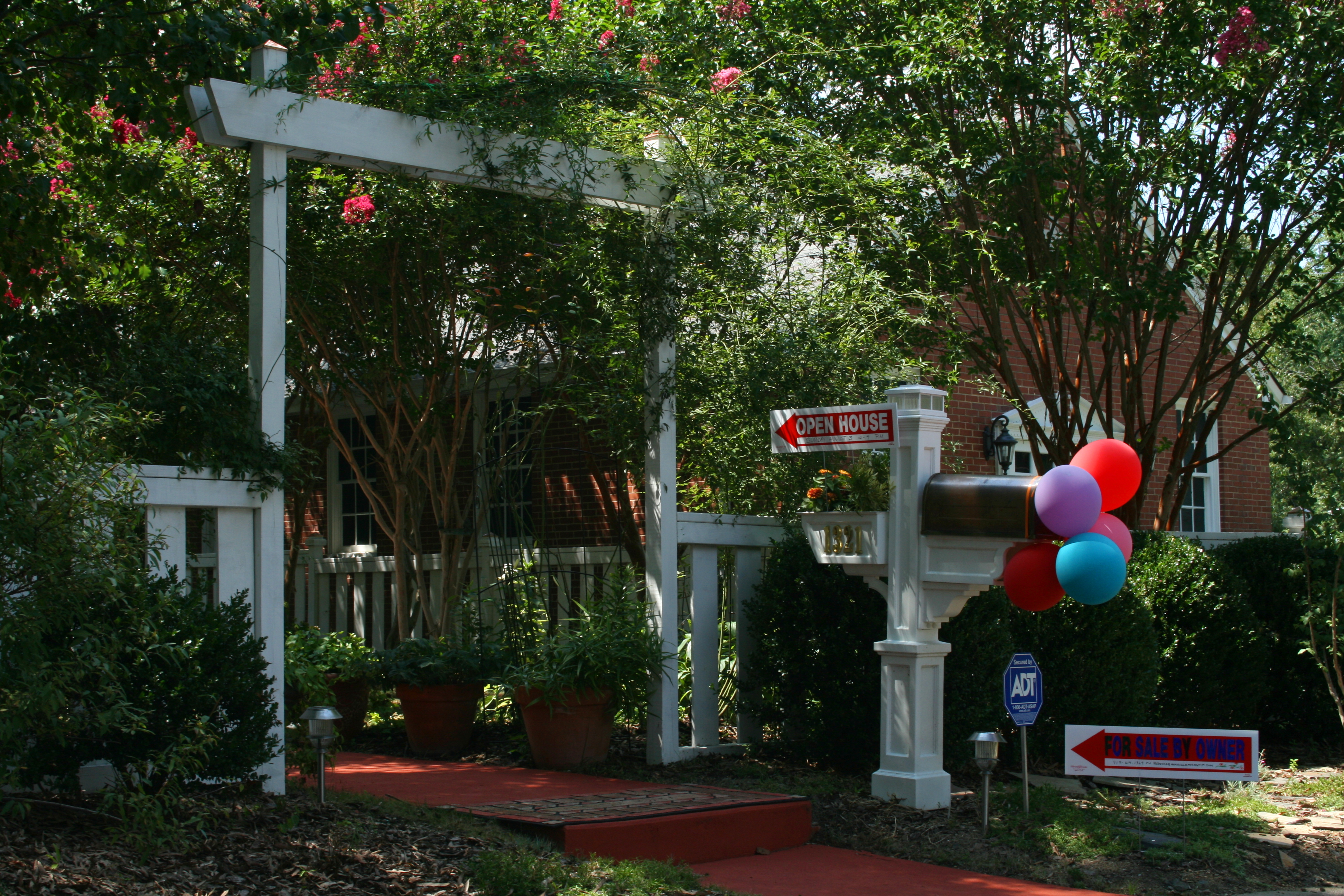
Open House Prep at a Glance
| When | What to focus on | Why it matters |
|---|---|---|
| 1 to 2 weeks before | Declutter, deep clean, handle minor repairs, gather staging items | Gives you time to fix the real problems instead of hiding them with a scented candle and hope |
| 3 to 5 days before | Stage rooms, improve lighting, plan signage and marketing, confirm showing times | Lets buyers see a polished home instead of a work-in-progress |
| The day before | Vacuum, wipe surfaces, empty trash, hide valuables, test lights and temperature | Prevents last-minute stress and awkward scrambling when guests arrive |
| The morning of | Freshen the air, open blinds, do a final walk-through, set out visitor materials | Creates the first impression buyers remember |
| After the open house | Review notes, follow up quickly, sort feedback, plan next steps | Turns interest into action while the visit is still fresh |
Cleaning and Decluttering Tips
A clean home does not just look better. It reads as cared for. Buyers are rarely trying to inspect your entire life story, but clutter can make a room feel smaller, older, and more stressful than it really is. Realtor.com’s seller advice and Zillow’s home-selling guides both point in the same direction: simplify the space so buyers can picture their own routine in it, not yours.
Start with the obvious clutter
Begin by removing the things that make a room feel busy at a glance. Mail stacks, counters full of gadgets, laundry baskets, dog toys, shoes at the entry, and refrigerator magnets with 14 different pizza places all work against the calm look you want. If a visitor can spot it in three seconds, it probably needs to be cleared.
Go room by room and make three piles: keep out for daily use, store for later, and remove from the house entirely. The goal is not to pretend nobody lives there. The goal is to create visual breathing room. Buyers want to see square footage, not your collection of coffee mugs with “World’s Best Aunt” on them.
Deep clean the places buyers notice first
Pay extra attention to kitchens, bathrooms, floors, windows, baseboards, light switches, door handles, and any surface people naturally touch or see up close. Those areas quietly tell buyers how the home has been maintained. If the grout is grim, the faucet is spotted, or the window tracks look like they have a side job in archaeology, the room will feel neglected even if the rest of the home is fine.
Do not stop at visible surfaces. Empty trash cans, clean inside the microwave, wipe cabinet fronts, vacuum under furniture where possible, and look at corners. A buyer may not consciously inspect every inch, but clean details create a sense of order. That feeling matters more than most people expect.
Fix the small problems that become big distractions
A loose doorknob, a cracked outlet cover, a burned-out bulb, or a dripping faucet can pull attention away from the features you actually want to sell. These fixes are usually inexpensive, and they send a useful signal: the home has been looked after. Buyers often read small repairs as a clue about larger maintenance.
If you have a list of repairs, staging items, and last-minute chores that feels a little too much like a project board, a neutral reference such as a work order management software builder can be a helpful way to think about task tracking and follow-up without making the process feel scattered.
Remove personal items without stripping the house bare
Family photos, highly personal collections, and extra toiletries can make it harder for buyers to imagine their own story in the home. That does not mean every trace of personality has to disappear. A few tasteful details are fine. You are aiming for “lived in,” not “temporary museum exhibit.”
Put away mail, medication, financial papers, passports, and anything else you would not want strangers seeing. Then soften the space with a few neutral touches: a bowl of fruit, a simple vase, folded towels, or a stack of books that looks intentional rather than like someone abandoned half a semester’s reading on the sofa.
Staging Your Home Effectively
Staging is the part where the house learns to tell its best story. The good news is that you do not need a decorator’s budget to do it well. You need space, flow, and a clear sense of what each room is supposed to be. Zillow’s seller advice, along with open house guidance from Realtor.com, consistently points to the same idea: buyers respond to homes that feel easy to understand.
Arrange furniture to show space, not just fill it
Push furniture away from walls if that improves the room’s shape. Remove oversized pieces that make hallways feel narrow or living areas feel crowded. In a small room, one less chair can do more than a hundred words of description. In a larger room, creating conversation groupings helps the space feel usable rather than cavernous.
If a room has too many competing focal points, simplify it. A sofa, a rug, a coffee table, and a lamp may be enough. When in doubt, leave a little open floor. Buyers like rooms that can move. A blocked path sends the opposite message, and nobody wants to mentally trip over a side table while touring a house.
Use neutral colors and quiet decor
Neutral does not mean bland. It means the room does not argue with the buyer’s imagination. Soft whites, warm grays, beige, muted blue, and natural textures help create a calm backdrop. If the home already has strong colors, you do not have to repaint every wall, but you may want to tone down accessories so the color story feels intentional instead of chaotic.
The same idea applies to decor. A few well-placed pieces are better than a shelf packed with souvenirs, signs, and decorative quotes about living, laughing, and loving. Buyers do not need a philosophical manifesto in the hallway. They need to notice the natural light.
Highlight the strongest feature in each room
Every room has something it does well. A fireplace. A big window. A breakfast nook. A primary closet. A backyard view. Your job is to make that feature obvious. Arrange furniture to frame it. Pull back curtains. Keep the surrounding area clean. If the room has a standout detail, do not let clutter steal the scene.
In the kitchen, clear the counters and let the cabinetry, layout, and light do the talking. In the bedroom, make the bed like you expect the buyer’s picky aunt to inspect the corners. In the living room, open the layout so it feels like a place people would actually sit and stay a while.
Stage for the way people actually live
Buyers are not shopping for a fantasy home that exists only in a magazine spread. They are usually trying to answer practical questions: Where would I put the couch? Is there room for a table? Can this office corner actually work for remote days? Good staging answers those questions before they are asked.
That is why it helps to make each room’s purpose obvious. If a spare room is meant to be an office, set it up like one. If it is a guest room, make the bed and keep the surfaces simple. Ambiguity can feel clever in design blogs. In a live open house, it usually just confuses people.
Creating a Welcoming Atmosphere
Once the home is clean and staged, the next job is to make it feel good to be inside. Buyers may not use the word “atmosphere,” but they feel it immediately. Light, scent, sound, and temperature all shape the mood of a visit. This is the part where the home stops feeling like a checklist and starts feeling like a place someone could be happy in.
Let natural light do some of the work
Open curtains, raise blinds, and clean windows before the open house begins. Bright rooms feel larger and more inviting. If a room lacks natural light, use lamps or overhead lights to keep shadows from making the space feel closed in. A dark room is not automatically a dealbreaker, but a gloomy room can make people leave with a vague feeling that they cannot quite explain.
Test every bulb. Match the brightness where possible. If one room looks warm and the next looks like a detective interrogation scene, the contrast may be all visitors remember. Consistent lighting creates a smoother experience from room to room.
Use scent carefully
A home should smell clean, not disguised. Strong air fresheners, heavy perfume, and overdone scented candles can make buyers suspicious or give them a headache. Fresh air, open windows, and a deep clean usually do more than a room spray ever will. If you want a mild welcoming touch, keep it subtle: a little citrus, a light floral note, or the clean smell of a freshly aired room.
And if you are tempted to bake cookies, do it because you enjoy baking cookies. Not because a marketing article told you to. A nice smell can help, but buyers are not there for a snack story. They are there for the house.
Keep the sound level calm
Soft background music can make the home feel relaxed, but it should never compete with conversation. Turn down televisions, silence unnecessary alarms, and repair any squeaky doors or obvious mechanical noises if you can. A quiet home feels larger and more peaceful. Loud clutter in the ears can be just as distracting as clutter on the floor.
If you have pets, think through the noise factor too. Some buyers love animals. Some are distracted by them. Others are only one bark away from deciding the house has too much personality. A calm environment helps everyone stay focused on the property instead of the resident dog’s opinion of strangers.
Set the temperature and flow
On a hot day, cool the home a little before visitors arrive. On a chilly day, make sure it does not feel like a refrigerator with windows. People pay more attention to comfort than they realize. If the house feels pleasant physically, they are more likely to stay longer and look more carefully.
Also think about movement. Remove anything that slows people down at the entry. Have doors open where appropriate. Make the path through the house obvious. When visitors can move naturally from one room to the next, the showing feels easier and less forced.
Marketing Your Open House
Even a beautifully prepared house needs people to show up. That means the open house itself has to be marketed clearly and early. Good marketing does not mean shouting the loudest. It means making the event easy to find, easy to understand, and easy to fit into a buyer’s weekend. Zillow’s open house etiquette guidance and Realtor.com’s open house advice both make the same basic point: visibility matters.
Use online listings and social media wisely
Make sure the open house details are correct everywhere they appear. Date, time, address, parking notes, and any special instructions should match. If you are using social media, a simple photo with a clear caption usually works better than a clever post that nobody understands at a glance. Buyers are often scanning quickly, so clarity beats creativity here.
It also helps to post early enough that people can plan around the event. Last-minute promotion may catch a few locals, but an open house usually does better when buyers have time to clear their schedule. A steady, repeated message is more effective than one noisy burst.
Use signs and flyers that are easy to read
Simple signage still matters, especially in neighborhoods where buyers may be driving by. Use large lettering, clear arrows, and enough signs that visitors do not feel like they need a treasure map. The goal is to reduce friction. If someone has to hunt for the door, they may decide they were never that interested in the first place.
Flyers should be equally practical. Include the basics, a few strong photos, and the most important selling points. Do not turn the flyer into a novel. Buyers will not finish it in the driveway, and nobody wants to carry around a brochure that feels heavier than the refrigerator manual.
Work with nearby agents and local contacts
Other agents can be a useful source of traffic, especially if they know buyers who are actively looking. Let them know the open house is coming and give them the key details they need. If the home has a feature that will matter to a specific buyer type, mention that plainly. Proximity to transit, a flexible office space, or a large yard can be worth highlighting.
Neighborhood word of mouth also helps. A friendly heads-up to neighbors can bring in curious buyers who are already familiar with the area. That is not a guarantee of an offer, of course, but it can widen the pool without much extra effort.
Keep the prep process organized behind the scenes
Open house marketing often looks simple from the outside, but behind the scenes there is usually a stack of tasks: photos, sign placement, feedback forms, cleaning, repairs, lockbox timing, and follow-up. If you want a practical model for keeping those moving parts in one place, a tool like a work order management software builder can be a useful reference for thinking about task flow, even if you never use software at all.
The point is not to turn home selling into office management. The point is to avoid the classic open house problem where one missing detail creates three more problems. A small checklist is often enough to keep the day from turning into a comedy of avoidable errors.
Following Up with Visitors
The open house is not over when the last person leaves. In a lot of cases, the follow-up is where the real work begins. Good follow-up helps you learn what buyers noticed, what they liked, what held them back, and whether they are worth a second conversation. It also shows that the property is managed professionally, which is a small but useful signal.
Collect contact information respectfully
Use a sign-in method that is simple and not annoying. Ask for the basics: name, email, phone number, and maybe whether the visitor is already working with an agent. If people are willing to leave feedback, even better. Just do not make the form so long that it feels like a mortgage application with better lighting.
Be clear about how you will use the information. People are more comfortable sharing details when they know it is for follow-up about the property and not for becoming part of some mystery mailing list they did not ask for.
Send thank-you notes while the visit is fresh
A short thank-you message does more than people think. It keeps the conversation alive while the home is still in the buyer’s head. It also creates a polite opening for questions. If a visitor liked the back patio but had concerns about the kitchen layout, a quick follow-up can clarify whether that concern is minor or deal-breaking.
Keep the message brief. Thank them for coming, invite questions, and offer to share extra details if they want them. Warm and useful is better than overly polished. Buyers can tell the difference between a genuine follow-up and a copy-pasted paragraph that got sent to everyone with an email address.
Sort leads by likely next step
Not every visitor is equally serious, and that is fine. Some people are early in the search. Some are comparing neighborhoods. Some are just learning what is possible. After the open house, sort the responses into a few simple groups: strong interest, maybe later, and not a fit right now. That makes the next step clearer.
If you are selling through an agent, share the visitor feedback quickly. If you are managing the process with help from a service team, the contact page is the right place to start a conversation about next steps or a more tailored plan. Fast communication matters here because buyer interest tends to cool quickly once the open house ends and everyone goes back to regular life.
Use feedback to improve the next showing
Visitor comments are useful even when they are not flattering. If several people mention the same issue, treat it as data, not drama. Maybe the front room needs brighter lighting. Maybe the scent was too strong. Maybe the furniture layout made the room feel smaller than it is. These are all fixable problems, and they are exactly the kind of thing feedback should uncover.
That is the real value of follow-up: it turns a single event into a learning loop. Each open house can help the next one perform better. That is how the process stops feeling random and starts feeling manageable.
Simple Open House Checklist
- Declutter countertops, shelves, entryways, and closets.
- Deep clean kitchens, bathrooms, floors, and windows.
- Repair small issues such as lights, handles, and leaks.
- Stage each room so its purpose is obvious.
- Open blinds, improve lighting, and keep the temperature comfortable.
- Promote the event online, with signs, and through local contacts.
- Collect visitor details and send a quick follow-up after the event.
Conclusion
A successful open house usually comes down to a simple idea: make the home easy to understand, easy to enjoy, and easy to remember. Cleaning and decluttering clear the noise. Staging helps buyers picture how the rooms work. A welcoming atmosphere keeps people comfortable long enough to pay attention. Marketing brings the right visitors through the door. Follow-up keeps the best conversations moving.
You do not need a perfect house. You need a prepared one. If you take care of the details above, your open house is much more likely to feel like an opportunity and much less like an improvised weekend event with snacks. And if you want a little extra guidance as you move from prep to showing to follow-up, that is exactly what the rest of the site is here for.
Key takeaways:
- Clean and declutter first so buyers can focus on the home, not the stuff.
- Stage rooms to feel spacious, neutral, and easy to understand.
- Use lighting, scent, and sound to make the house feel welcoming.
- Promote the open house clearly and early.
- Follow up fast, learn from feedback, and use the next round of visits to improve.