A full-body massage chair is not a casual decor purchase; it is a large mechanical product that only feels worth the money when comfort, fit, and maintenance all make sense together.
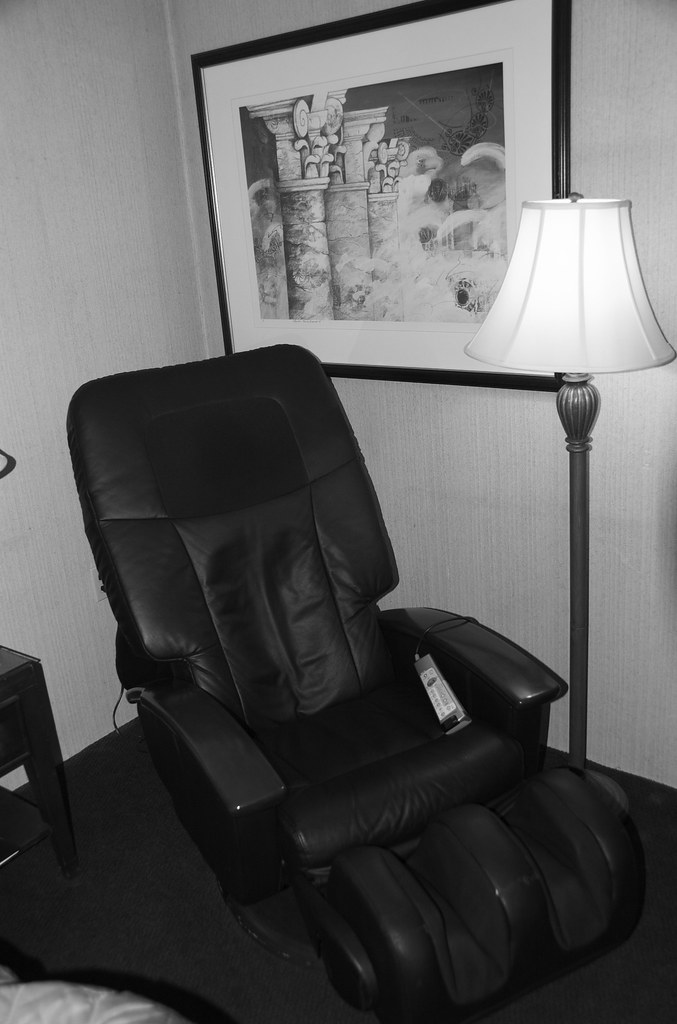
Massage chairs are easiest to compare when you stop thinking in marketing slogans and start thinking like a long-term owner. Wellness context from the National Center for Complementary and Integrative Health, practical posture and workspace guidance from OSHA ergonomics resources, and broader body-comfort context from MedlinePlus back-pain information all point in the same direction: comfort products work best when expectations stay realistic and the physical setup fits the user.
What full-body should actually mean
Manufacturers often use “full-body” loosely. For one chair, it may mean neck-to-glute rollers plus calf compression. For another, it may include foot massage, shoulder airbags, heat zones, and reclining programs. The best way to compare chairs is to list the body areas you care about most and then match those needs to the chair’s hardware, not the marketing headline.
Fit matters more than feature count
The most common buying mistake is assuming more features automatically create a better experience. In reality, a well-fitting chair with consistent track movement, comfortable shoulder placement, and a usable recline angle is often more satisfying than a feature-stuffed model that never feels quite right. Height range, shoulder width, foot compartment length, and room placement matter immediately once the chair arrives.
The features worth paying attention to
- Massage track design: this shapes how much of the back and seat area the rollers can reach.
- Intensity control: usable adjustment matters more than a large program count.
- Footprint and wall clearance: some chairs need far less rear clearance than buyers expect.
- Entry and exit ease: if the chair is difficult to get into, daily use drops fast.
- Warranty and service access: large powered furniture is only as good as its support path.
Try to evaluate ownership, not just a showroom session
A five-minute demo can hide long-term issues. Ask how loud the chair is, how easy it is to clean, whether the upholstery shows wear quickly, and how service calls are handled if motors, remotes, or air systems stop working. Also think about where the chair will live. A chair that looks impressive in a wide showroom may feel oversized and awkward in a home office or family room.
Who gets the most value from a massage chair?
People who benefit most usually want repeatable comfort at home and know they will use the chair regularly. The value tends to drop when a buyer expects the chair to solve every discomfort issue automatically or treats it as a substitute for medical evaluation, movement, or broader health habits. In other words, the chair can be supportive, but it should still be judged as a home-comfort system, not a miracle device.
A short pre-purchase checklist
- Measure the room and the clearance behind the chair.
- Check user height and leg-length fit.
- Confirm return policy, delivery terms, and warranty coverage.
- Prioritize comfort and adjustability over inflated program counts.
That checklist sounds basic, but it is what keeps a large purchase from turning into an expensive mistake.
Century21City keeps older buyer-guide URLs readable by focusing on practical questions instead of thin product hype. You can find more straightforward resource posts on the blog page.