The beauty tools worth keeping are rarely the loudest ones on social media; they are the ones that stay clean, work consistently, and make a routine easier instead of longer.
By the end of 2025, the strongest pattern in everyday beauty kits was not maximalism. It was selectivity. People kept returning to tools that improved application, reduced waste, and were easy to clean between uses. That lines up with broader skin-care basics from the American Academy of Dermatology, practical face-care habits like gentle cleansing, and the FDA’s reminders around cosmetic-product safety. In short, the best tools are the ones that fit a clean, repeatable routine.
1. A dependable brush set
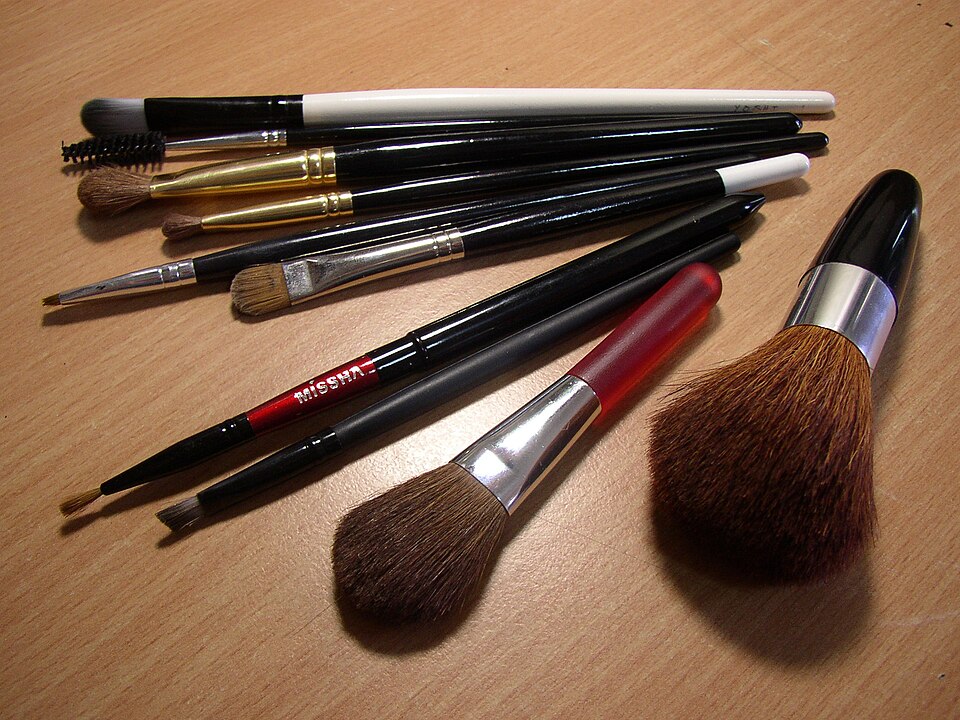
A small brush set remains the backbone of most makeup kits. You do not need twenty pieces to get useful results. A powder brush, blush brush, crease brush, flat shader brush, and angled brow brush usually cover the majority of daily looks. The reason a good set still matters in 2025 is precision: product placement is cleaner, blending is faster, and less product gets wasted on fingers or poorly shaped sponge edges.
2. Stainless-steel tweezers
This is one of the least glamorous purchases and one of the most practical. Good tweezers help with brow maintenance, false-lash placement, and the kind of small grooming corrections that keep a routine from feeling chaotic. They also last for years if they stay dry and are cleaned after use.
3. A washable makeup sponge
A sponge is still one of the easiest ways to keep foundation, concealer, and cream products looking natural. The best versions rebound well after washing, do not shred at the edges, and do not hold on to product after several uses. If a sponge stops rinsing clean or starts smelling off, replace it quickly instead of trying to stretch its life.
4. A gentle cleansing tool
This can be as simple as a soft reusable face cloth or a non-abrasive cleansing brush used sparingly. The point is not aggressive exfoliation. The point is consistency and comfort. If a tool leaves the skin tight, irritated, or visibly overstimulated, it is not helping. The most useful tools are the ones that make cleansing easy to repeat without turning it into a harsh treatment.
5. A lash comb or spoolie
Small grooming tools are often the highest-value additions to a kit because they solve tiny finishing problems quickly. A spoolie helps blend brow product and soften stiff edges. A lash comb can separate mascara clumps before they dry. These are the kinds of tools that quietly improve results without adding extra products to the routine.
6. Nail and detail tools that do one job well
A nail file, cuticle pusher, and compact detail scissors do not need trend-driven packaging to be effective. They just need to be solid, easy to sanitize, and stored well. The same rule applies to sharpeners, brow scissors, and facial razors: buy carefully, use lightly, and replace them when they stop performing cleanly.
How to judge whether a beauty tool is actually worth it
- Can you clean it properly? If not, it will not age well.
- Does it save time? If it adds steps without improving the result, it is clutter.
- Does it work with more than one product? Multi-use tools usually stay in rotation longer.
- Is it comfortable to use? Even a well-reviewed tool becomes waste if the grip, shape, or maintenance feels annoying.
The 2025 takeaway
The best beauty tools of 2025 were not necessarily the newest ones. They were the tools that made application smoother, hygiene easier, and the whole routine more realistic. That is still the right standard now. Start with a few durable essentials, clean them often, and let usefulness matter more than novelty.
Century21City keeps older search topics readable by turning them into clear, visitor-first resource posts. For more straightforward maintenance content, check the blog archive.