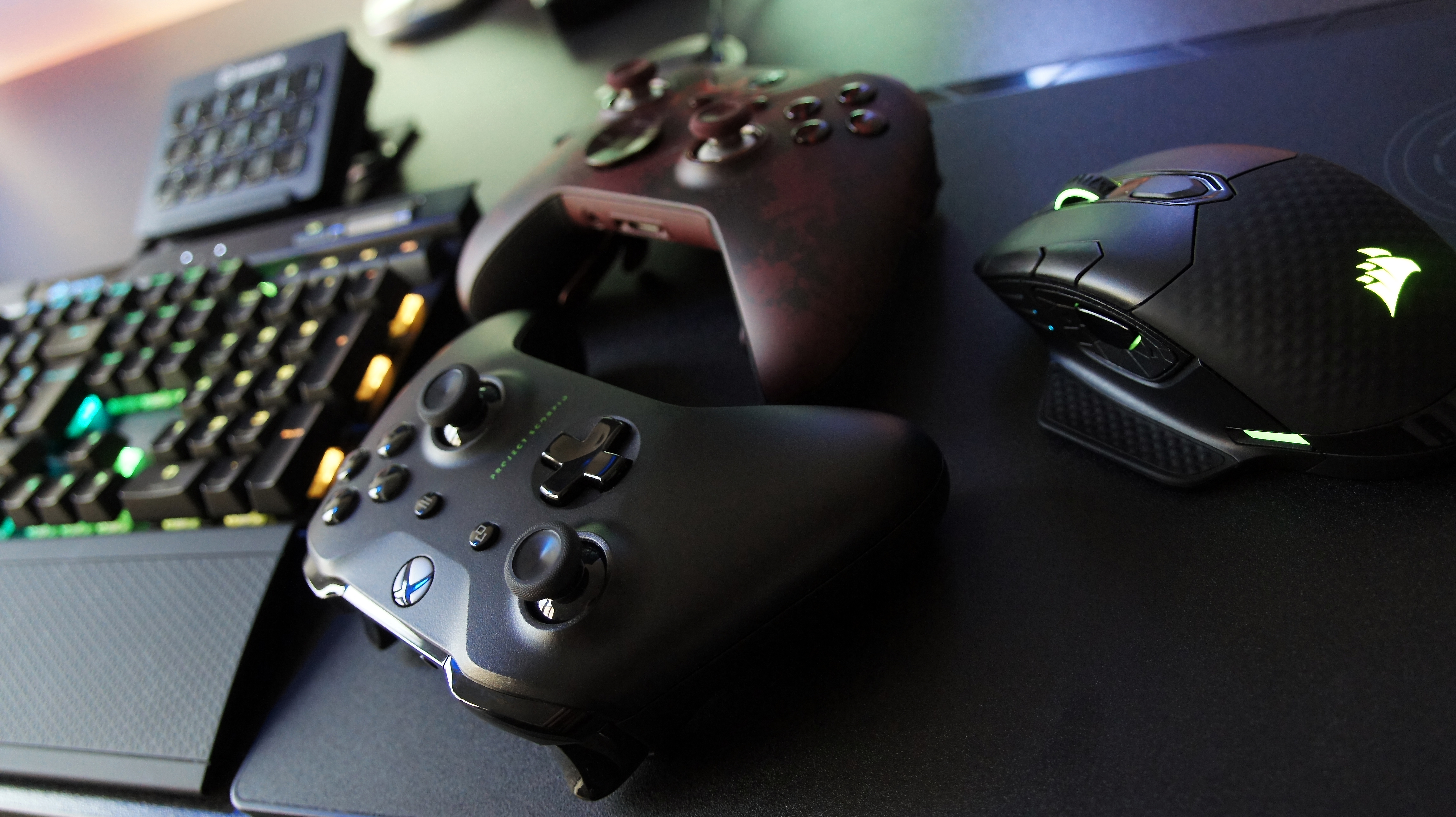
Online gaming keeps moving fast, but the big story is simple: more people are playing, more devices are sharing the load, and games are becoming easier to join with friends no matter where they are. The short version is that online gaming is no longer just about a powerful console in the living room. It now stretches across phones, laptops, cloud streams, and cross-platform communities that barely notice the hardware differences.
According to the Entertainment Software Association, 190.6 million Americans play video games, and the average player age is 36. The industry is also huge globally: Newzoo regularly tracks hundreds of billions of dollars in game revenue each year, which explains why publishers keep chasing new ways to make games easier to access, faster to update, and more social. For a quick reality check, see the ESA Essential Facts report and Newzoo’s market overview.
1. What current gaming trends stand out right now?
The modern online gaming scene is built around convenience, community, and constant updates. Live-service games keep adding new seasons, events, and cosmetics. Players want fewer barriers between platforms. And people are more willing than ever to try a game because a friend sent a clip, a streamer made it look fun, or it works on the device already in their pocket.
- Always-online play is normal for many major releases.
- Cross-play helps friends team up even when they use different hardware.
- Short-session gaming is growing alongside mobile and handheld play.
- Social discovery through streaming and short-form video now shapes what gets popular.
If you want to see how wide the ecosystem is, the video game industry overview gives a useful plain-language map of the market, while Google’s cloud gaming discussion shows how the idea of where a game “lives” keeps changing.
2. How is technology changing the experience?
Technology is making online games feel less tied to one machine. VR and AR still look like the adventurous edge of the map, but cloud gaming, better network tools, and smoother cross-platform support affect everyday players right now. In plain terms, the industry keeps trying to make the game feel closer to a service than a box on a shelf.
Cloud gaming lets players launch a game without downloading a huge file or upgrading a PC just to keep up. Cross-platform play does something equally practical: it prevents the awkward “sorry, I’m on the wrong system” moment that used to split friend groups. For a deeper technical baseline, Microsoft’s cloud gaming pages and the Unreal Engine blog are useful reference points for how modern games are built and delivered.
3. Which genres are leading the way?
Popular genres shift, but a few styles keep showing up at the top of the conversation. Battle royale games remain strong because they create instant tension and short, memorable wins. RPGs stay popular because players like growth, customization, and long stories. Simulation games keep expanding because they let people build, manage, and tinker at their own pace.
| Genre | Why players like it | Popular examples |
|---|---|---|
| Battle royale | Fast matches, big stakes, easy to watch with friends | Fortnite, Apex Legends |
| RPG | Progression, character choices, long-form worlds | Final Fantasy XIV, Genshin Impact |
| Simulation | Creative control, slow pace, personal goals | The Sims, Stardew Valley |
| Competitive shooters | Skill growth, teamwork, quick feedback | Valorant, Call of Duty: Warzone |
What is interesting is not just the genre list itself, but how games borrow from one another. A battle royale may borrow seasonal storytelling from an RPG. A simulation game may borrow social features from a live-service title. Genres are less like fenced-off yards now and more like neighboring apartments with the walls quietly removed.
4. Why is mobile gaming such a big deal?
Mobile gaming has become the easiest on-ramp to online play. In many markets, the first “gaming device” a person owns is a phone, not a console. That matters because mobile games are available in short bursts, travel well, and usually lower the cost of getting started. For a lot of players, that means a quick match during lunch instead of a full evening session on the couch.
Titles like Clash Royale, Call of Duty: Mobile, and Genshin Impact show how mobile games can feel polished and social without asking players to learn a giant control layout. The data.ai market insights page and the Statista mobile gaming topic page both point to the scale of the mobile audience, even if the exact numbers change year by year.
5. What might online gaming look like next?
The next wave probably will not be one giant invention. It will be a stack of smaller improvements: faster cloud access, better matchmaking, smarter accessibility tools, and more games built to run smoothly across several screens. The future of online gaming likely feels less like “buy one machine, unlock one world” and more like “pick a screen and join in.”
Esports and streaming will probably keep shaping what players want. If a game is easy to watch, easy to clip, and easy to share, it has a better shot at growing quickly. The same goes for games that support communities well, because modern gaming is often as much about who you play with as what you are playing. That is where more posts on the blog can help if you want to keep exploring the wider gaming landscape, or the About page if you want the story behind the site itself.
If you are trying to make sense of all this, the short answer is that online gaming is becoming more connected, more mobile, and more flexible. The exact hardware will keep changing, but the main idea stays the same: people want fun games that are easy to reach and easy to share.