Heating, cooling, and electricity bills do not care about your intentions. They only care about leaks, old equipment, and bad habits. The good news: most homes waste energy in a few predictable places, which means you can usually fix the problem without gutting the house.
Understanding energy efficiency
Energy efficiency means getting the same comfort, light, and hot water with less wasted power. It is not magic. It is usually a mix of insulation, sealing air leaks, smarter controls, and appliances that stop acting like they were designed during a power crisis.
For a plain-English overview, the U.S. Department of Energy’s Energy Saver site explains the basics well. The EPA’s ENERGY STAR product guidance is also useful when you are comparing upgrades instead of guessing.
If you want a quick internal starting point, review the home improvement and property guidance on our Services page and learn more about the team on our About page.
Simple upgrades for your home
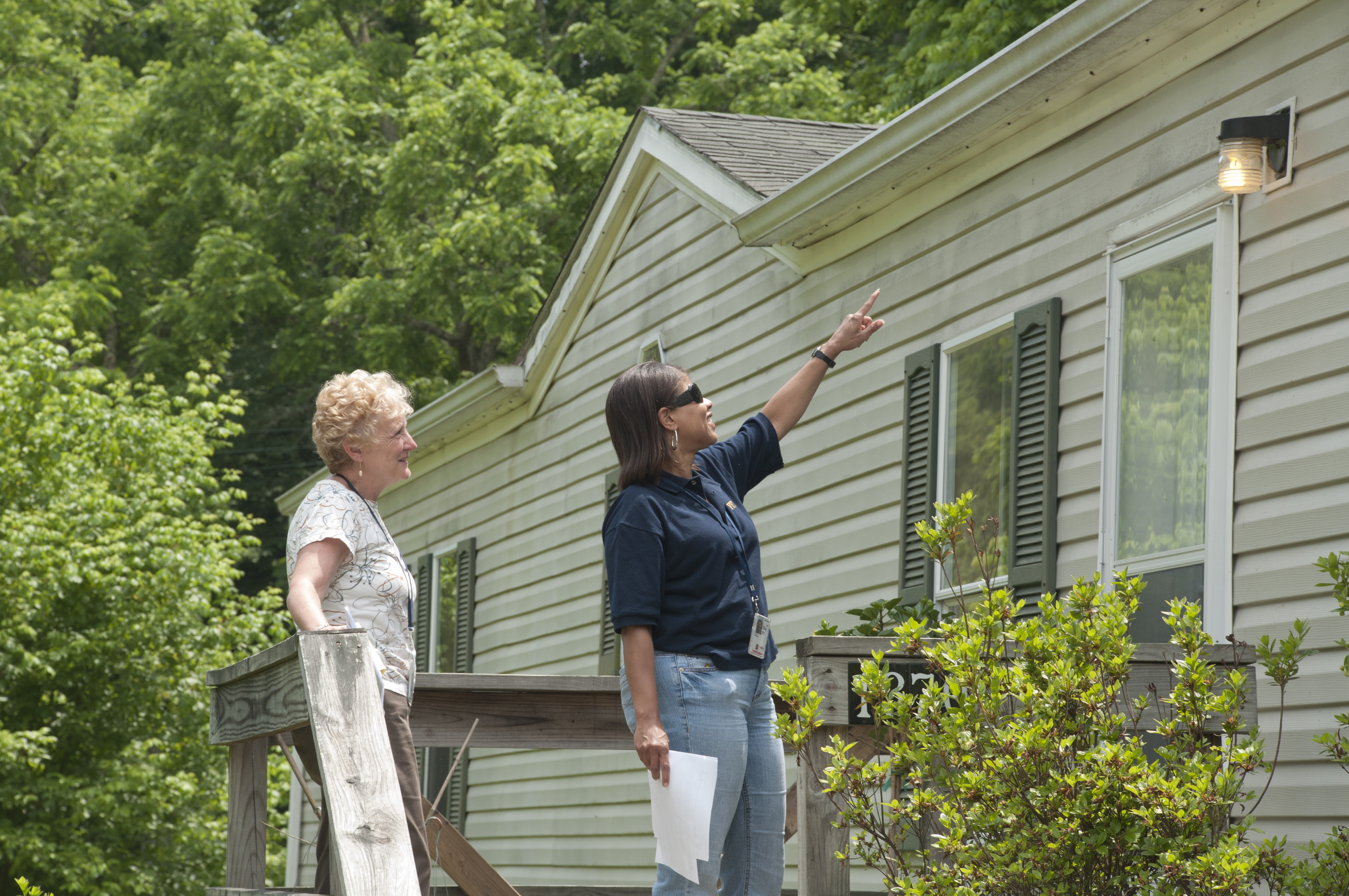
Start with the cheap wins before you start fantasizing about a complete remodel. The first diagnostic step is simple: stand near doors, windows, outlets, attic hatches, and duct runs. If you can feel air moving, that is a leak, not a personality trait.
- Seal air leaks. Caulk gaps around trim, outlets, plumbing penetrations, and attic access panels.
- Add insulation where it is thin. Attics usually give the best return because heat loves to leave through the roof.
- Upgrade lighting. LEDs use a fraction of the power of old incandescent bulbs and last far longer.
- Use a smart thermostat carefully. Setbacks help, but aggressive temperature swings can waste more than they save in some homes.
- Install weatherstripping. Doors and windows should close tightly, not just politely.
For building science and insulation basics, the ENERGY STAR seal and insulate guide is a solid reference. It is not glamorous. That is exactly why it works.
Home appliances and energy consumption
Appliances are where many homeowners overpay quietly, month after month. The culprit is often an old refrigerator, water heater, washer, dryer, or HVAC system that still works, just inefficiently. “Still works” is not the same as “worth keeping.” People confuse those all the time.
Check the biggest loads first:
| System | What to check | Why it matters |
|---|---|---|
| HVAC | Filter condition, duct leaks, maintenance history | Heating and cooling usually drive the largest energy bill |
| Water heater | Age, insulation, temperature setting | Constant standby heat loss adds up quickly |
| Refrigerator | Door seals, coil cleanliness, age | Runs 24/7, so inefficiency never gets a day off |
| Washer and dryer | Cycle settings, full loads, venting | Small behavior changes cut waste without new equipment |
When you are ready to replace a major appliance, look for energy labels and compare lifetime operating costs, not just sticker price. The ENERGY STAR main site is the boring-but-useful place to start.
Benefits of energy-efficient homes
The obvious benefit is lower utility bills. The less obvious benefits are usually better comfort, steadier temperatures, less noise from overworked systems, and fewer surprise repairs. A home that wastes less energy often feels better to live in because the whole place is not constantly compensating for itself.
There is also the resale angle. Buyers notice updated windows, insulation, efficient HVAC, and documented improvements because they imply fewer future problems. No one gets excited about a utility bill, but everyone remembers a house that feels drafty in January and swampy in July.
For a broader market perspective, the EPA Green Homes resources explain how efficiency overlaps with healthier, more durable housing.
Government incentives for energy improvements
Before you pay full price, check whether federal, state, or utility incentives apply. Tax credits and rebates change often, which is inconvenient for everyone except people who enjoy paperwork. The right rule is simple: verify current incentives before you buy, not after.
The DOE rebates and incentives page is a good starting point for federal programs. You should also check your local utility because many offer rebates for insulation, HVAC upgrades, heat pump water heaters, and smart thermostats.
If you are planning a broader home improvement project, ask the installer to show payback estimates and available incentives in writing. A vague promise is not a rebate. It is just optimism in a collared shirt.
A practical upgrade order
- Find the biggest energy leaks with a home walkthrough or professional energy audit.
- Seal air leaks and add insulation where it is weak.
- Replace the worst-performing lighting and appliances.
- Service HVAC equipment and clean or replace filters regularly.
- Check rebates before making larger replacements.
That order matters because it keeps you from buying expensive equipment to compensate for basic problems. Fix the shell first. Then buy the machine.
If you want a useful reference while comparing options, a neutral resource like the energy conservation overview can help frame the core concepts without marketing noise.
The first move is still the same: inspect the house for leaks and wasted runtime before you replace anything. Energy efficiency usually begins with a flashlight, not a shopping cart.